
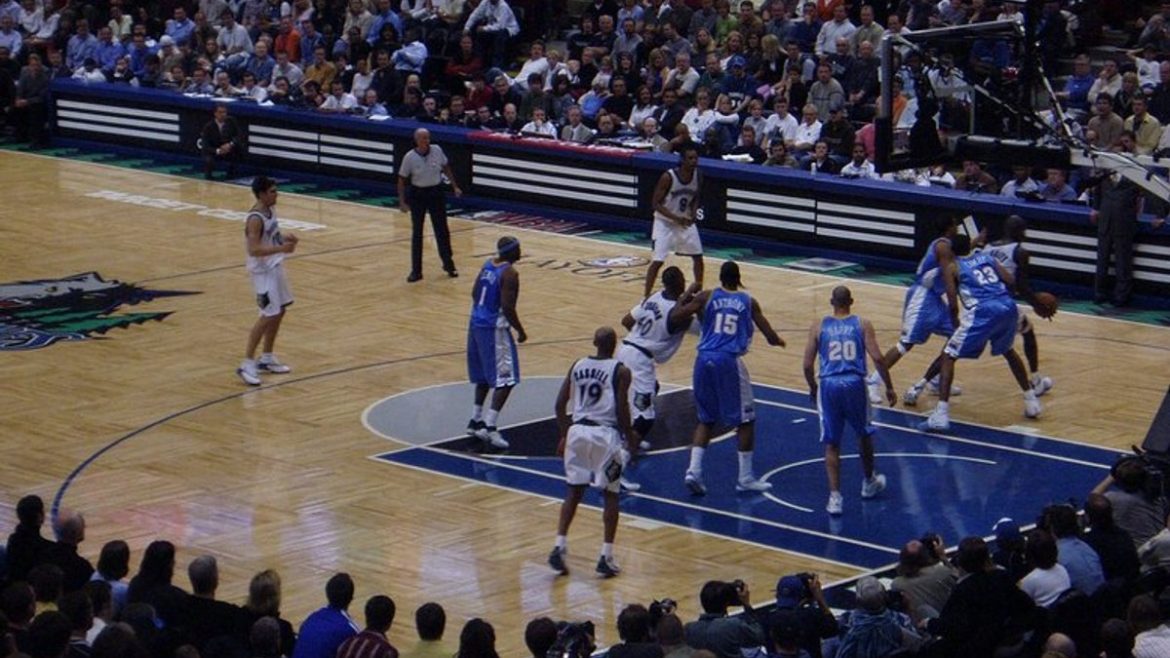
The Denver Nuggets enter NBA Draft week with a familiar challenge for a successful team: how to improve the margins of a contender without disrupting the core that already has championship pedigree. Reports and draft discussion around Denver have focused on the range of outcomes that could unfold on draft night, with the Nuggets positioned to weigh immediate help against longer-term value as the board develops.
Why the Nuggets’ draft position matters
For Denver, the draft is not about searching for a franchise savior. The Nuggets are built around Nikola Jokić and Jamal Murray, and their path forward remains tied to preserving that foundation while finding affordable production around it. That makes draft night especially important because the team’s most realistic gains often come from identifying a useful rotation piece, a development project with upside, or a player whose contract control could matter later in the roster cycle.
When a team is contending, draft decisions take on a different tone than they do for a rebuilding club. Denver’s front office has to consider not just who is available, but who can fit alongside established stars, whether a prospect can contribute quickly, and how much patience the organization can afford. In that sense, the “best case” and “worst case” framing is less about drama than it is about the practical limits of picking near the middle or lower end of the first round.
Best-case scenario: value falls to Denver
The best outcome for the Nuggets would be a player with first-round talent sliding into their range. That kind of draft-night break can happen when teams ahead of them target similar archetypes, when a prospect’s medical or positional concerns cause him to slip, or when the board is unusually deep at a position Denver values. For a veteran team, that can be the difference between selecting for need and selecting for value.
If Denver is able to land a prospect with a clearly translatable skill — shooting, defensive versatility, secondary playmaking, or rim protection — it could strengthen the supporting cast around the stars without requiring major on-ball usage. That is the kind of addition contenders often seek in the draft: someone whose best attributes can be defined early, even if the rest of the game takes time to develop.
There is also a broader strategic upside. Hitting on a rookie contract player can ease future roster construction, especially for a team that has to navigate cap pressure and the constant need to fill out a bench with minimum signings and low-cost deals. Even a modest contributor can matter if he helps stabilize a second unit or provides depth in a specific matchup type.
Worst-case scenario: the board thins out quickly
The worst-case outcome is less about missing on a star and more about reaching for a player who fits poorly, offers a narrow skill set, or takes too long to develop for a team trying to contend now. If Denver’s preferred tier of prospects is gone before its turn arrives, the Nuggets could be left choosing between prospects with uncertain roles or considering whether to move the pick for a more immediate roster solution.
That kind of draft-night squeeze is common for good teams. The better the record, the harder it is to land in a position that delivers obvious top-end talent. As a result, contenders often face a board that is shaped by other clubs’ priorities rather than their own. In Denver’s case, that means the Nuggets may need to be flexible and disciplined if the names they have targeted disappear early.
A poor outcome would not necessarily mean the Nuggets failed to find talent. It could simply mean the available players did not line up with the organization’s needs, timeline, or preferred roster balance. For a team with championship expectations, a misaligned pick can be costly because every roster spot has value and every development year matters.
How Denver’s roster context shapes the decision
The Nuggets’ draft approach cannot be separated from the structure of the roster around Jokić. Denver has long depended on players who can complement its star center by spacing the floor, making smart decisions, and defending well enough to stay on the floor in high-leverage games. That history shapes how the organization evaluates prospects: the question is not simply who is talented, but who can plug into a winning environment.
Drafting for fit is not the same as drafting for safety, though the two can overlap. A player who can shoot, move without the ball, and defend multiple positions may not have the highest ceiling in the class, but he can still be a meaningful addition if he helps the Nuggets survive regular-season stretches and short playoff rotations. The Nuggets have been at their best when they have enough dependable role players to keep the burden off their stars.
At the same time, Denver cannot afford to ignore upside entirely. Even veteran teams need inexpensive talent that can grow into more than a placeholder. The challenge for the front office is identifying which prospects have the right mix of floor and future value, then deciding whether that player is worth taking over a slightly safer option.
What to watch on draft night
For Nuggets fans, the key questions are straightforward: does Denver stay put, does it move up or back, and does it prioritize immediate help or long-term development? Each of those paths carries a different implication for the roster. Staying in place suggests the board delivered someone the team likes. Moving up would signal a more aggressive pursuit of a specific target. Trading back could indicate the front office believes it can still get value while adding flexibility elsewhere.
Another thing to watch is whether Denver targets a clear specialist or a more projectable all-around player. Teams at this stage of the roster cycle often lean toward players who can contribute in one defined area right away. But if the Nuggets think a prospect has room to become much more than a specialist, that could influence how they use the pick and how soon they expect a return.
In the end, the draft is one of the few chances a championship contender has to improve without sacrificing a proven veteran piece. That is why the range of best- and worst-case scenarios matters so much for Denver. The Nuggets are not trying to change the direction of their franchise on draft night. They are trying to protect a title window by making the right incremental move.
Sources:
- The BEST and WORST Case Scenarios for Denver Nuggets in NBA Draft | Denver Nuggets Podcast – 12News
- The BEST and WORST Case Scenarios for Denver Nuggets in NBA Draft | Denver Nuggets Podcast – WKYC
- The BEST and WORST Case Scenarios for Denver Nuggets in NBA Draft | Denver Nuggets Podcast – WUSA9
Tags: NBA, Denver Nuggets, NBA Draft, Nikola Jokić, Jamal Murray, roster building, front office, draft strategy