The first wave of NFL free agency is long over, but meaningful roster work is still being done. In a June 1 roundup, CBS Sports examined the top remaining free agents and where they could fit best, offering a snapshot of how teams are still trying to solve depth charts, add veteran stability and cover injuries heading into training camp.
The timing matters because by this point in the offseason, many of the major contracts have already been signed and the available market shifts toward established veterans, rotational pieces and a few recognizable names. That is where the CBS Sports list becomes useful: it does not just identify who is left, but also which teams could realistically benefit from the experience, versatility or short-term reliability those players can still provide.
What the latest NFL free agency update says about the market
According to CBS Sports, the biggest-money players are gone, but several difference-makers remain available. That distinction is important in June, when front offices often pivot from headline-grabbing signings to more targeted roster decisions. At this stage, teams are usually less interested in splash and more interested in fit.
For veterans still on the board, that can mean a waiting game. A player’s next stop is often tied to a training camp injury, a sudden camp competition or a team deciding that a younger option is not ready to handle a full role. In other words, the market remains open because the league’s needs are still evolving.
The CBS Sports piece frames the situation around landing spots, which is the right lens for this part of the offseason. By now, most teams have a general sense of their top-line plans. What remains is solving the edges: backup quarterback depth, experienced wide receiver help, pass-rushing depth, and veteran players who can step into a starting role if needed.
Aaron Rodgers remains the biggest name on the board
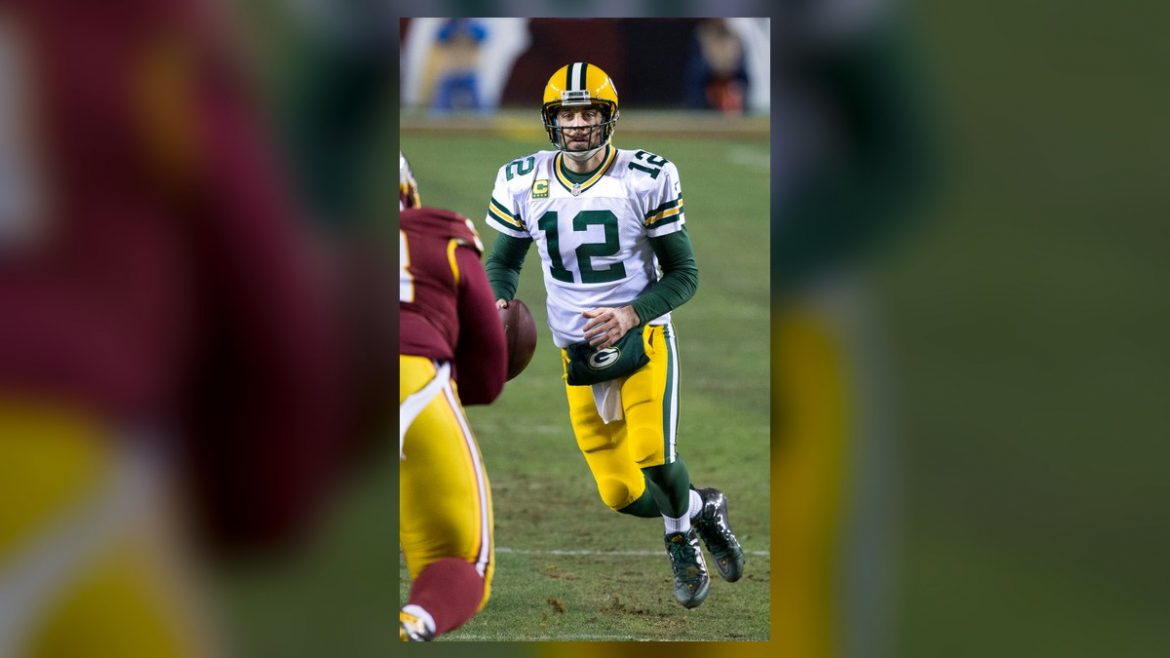
The most prominent player mentioned in the CBS Sports roundup is Aaron Rodgers, a former Super Bowl MVP whose presence alone changes the discussion around remaining free agents. Rodgers is not simply a veteran name still attached to the market; he is one of the few players available whose resume can still alter the direction of a quarterback room and reshape expectations for a team.
That does not mean every team is in the same position to pursue him. Quarterback decisions in the NFL are deeply tied to scheme, timing and organizational patience. A club that has already built around a young starter is unlikely to change course, while another team dealing with uncertainty under center may see Rodgers as a short-term answer or a bridge option. That is why fit matters as much as reputation.
Rodgers also symbolizes the larger truth about late-offseason free agency: the available names are often well past their peak market value, but still capable of affecting wins, development and roster structure. Even for teams not directly in the quarterback market, Rodgers’ availability changes the broader picture because it underscores how many veteran options are still out there if a team is willing to make a move.
Why teams are still evaluating veteran fits
June is one of the quieter periods on the NFL calendar, but it is not a dead period. Coaches are installing schemes, general managers are reviewing depth, and player availability is constantly changing as offseason programs continue. The value of remaining free agents often shows up not in the first week of signing, but when a team needs a steady hand after a setback.
That is especially true for veterans who can help in more than one situation. A backup quarterback can become more than insurance if the starter is injured. A defensive lineman can become a stabilizer if a younger player is not ready. A receiver with route-running polish can be a useful answer if a team wants a reliable third-down option. These are the kinds of practical roster questions that shape the end of free agency.
The CBS Sports roundup reflects that reality. Rather than treating remaining free agents as leftover names, it treats them as potential answers to real team problems. That approach mirrors how front offices think at this stage: not in terms of who is famous, but who can help most efficiently.
What the remaining free agents mean for roster building
One reason the list is relevant is that it highlights how much roster construction extends beyond the draft. Teams may leave the spring believing they have addressed most needs, but the NFL has a way of reshaping those plans quickly. A player who looked like a luxury in March can become a necessity by late summer, and a team that passed on a veteran then may circle back later.
That is why the remaining market remains important even after the biggest contracts are gone. Some players will wait for the right opportunity rather than accepting the first one. Others may prefer a situation with clearer playing time or a better chance to compete. Teams, meanwhile, are trying to preserve cap flexibility while still protecting themselves against injuries and underperformance.
There is also a developmental layer here. A veteran signing in June or July can influence not only the depth chart but also the growth of younger players. A steady professional in the locker room can ease pressure on a rookie or second-year player, and in some cases that can be as valuable as the production itself. That is part of what makes the final phase of free agency more strategic than flashy.
Why the CBS Sports landing spots matter now
The value of a landing-spot exercise is that it helps translate a list of names into actual football decisions. It is easy to say a player is available; it is more useful to identify the teams that might genuinely need him. CBS Sports did that by matching the remaining veterans with realistic fits, giving a clearer sense of where the NFL’s unfinished business still sits.
For readers, the broader takeaway is that the offseason is not over just because the major signings have slowed. The remaining free agents can still influence preseason competitions, roster cuts and even early-season plans. In a league where injuries and unexpected changes are constant, a player left unsigned in June can become highly relevant by August.
That is what makes this stage of the calendar worth watching. The market is smaller, but the stakes are still real. A single signing can settle a position group, create competition or provide insurance at a spot that suddenly looks thin. And in NFL roster building, those moves often end up mattering more than they did when they were first made.
For now, CBS Sports’ look at the top remaining free agents serves as a reminder that the league’s offseason story is still unfolding. The names may no longer command the same headlines, but the right fit can still make a measurable difference when teams are trying to get from paper depth charts to a functioning roster.
Sources
- CBS Sports: 2026 NFL free agency: Ideal landing spot for top 10 remaining free agents, including a Super Bowl MVP
- Google News: 2026 NFL free agency roundup