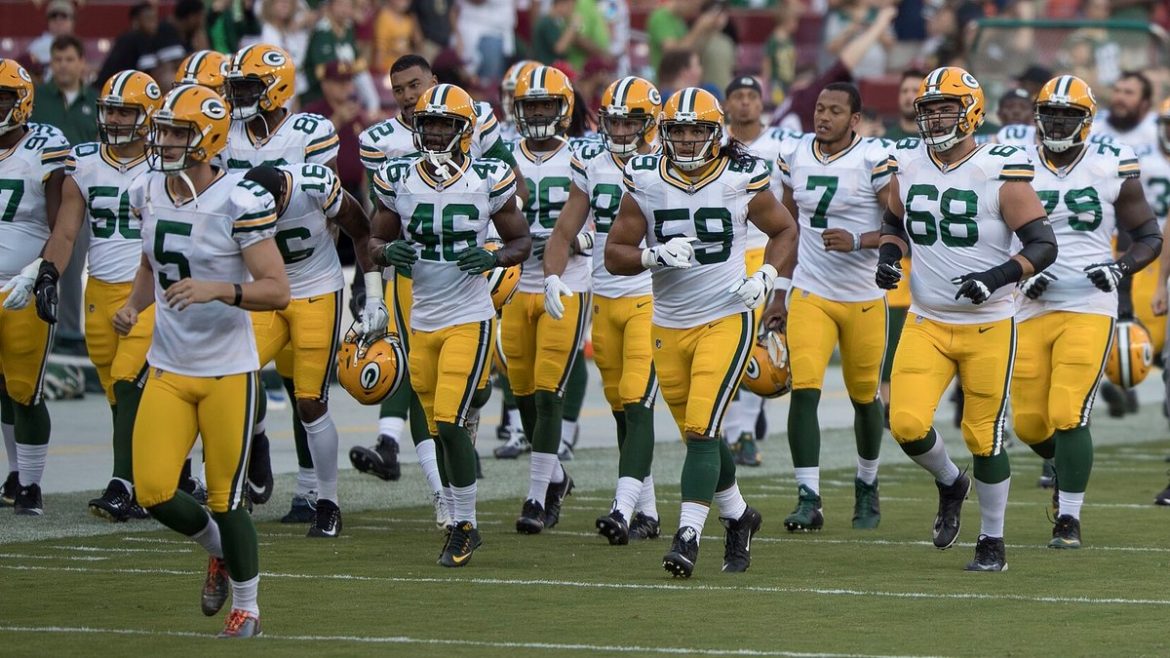
The Green Bay Packers turned Titletown into a regional stage for NFL Flag Football teams this weekend, hosting a competition that reflected the league’s continued push to grow the noncontact version of the game. The event mattered beyond the scoreboard: it connected the Packers’ community footprint with the NFL’s broader effort to expand youth participation and make football more accessible.
Packers use Titletown for a youth football showcase
According to WBAY, the Packers welcomed NFL Flag Football teams to Titletown for regional competition. The report did not detail every participating team or provide a full results list, but the setting alone made the event notable. Titletown has become one of Green Bay’s most visible public gathering spaces, and using it for a flag football tournament gave the Packers another way to bring the sport directly to families and young athletes.
For an organization with one of the most loyal fan bases in the NFL, the Packers have long treated community-facing events as part of their identity. Hosting a flag football regional fits that pattern. It keeps the team present in the local sports conversation during the offseason and reinforces the idea that football development starts well before players reach the tackle level.
NFL Flag Football continues to expand its footprint
Flag football has taken on a larger role around the sport in recent years, especially as leagues, schools and youth programs have looked for safer entry points into football. The NFL has invested in the format as a way to introduce more boys and girls to the game, and regional competitions like the one in Green Bay help turn that strategy into something tangible at the local level.
Unlike traditional tackle football, flag football emphasizes speed, spacing and quick decision-making while reducing the physical collisions that define the full-contact game. That makes it more accessible for a wider range of age groups and experience levels. It also allows teams to compete in an environment where skill development, teamwork and execution are front and center.
The Packers’ role in hosting the regional event is significant because it places one of the NFL’s most recognizable brands in direct contact with the sport’s next generation. When a franchise opens its facilities or team spaces to youth competition, it helps normalize the idea that football’s future is not limited to the pro game. It is also about participation, instruction and exposure.
Why Titletown is a natural fit for events like this
Titletown has developed into more than a team-adjacent public space. It functions as a year-round community hub that can accommodate sports, recreation and fan engagement. That flexibility makes it a logical home for an event like NFL Flag Football regional competition, where multiple teams, families and volunteers need a setting that is both accessible and visible.
For the Packers, the benefit is twofold. First, the organization extends its reach in a positive community setting. Second, it reinforces the connection between the franchise and grassroots football without requiring the kind of resources associated with a full professional event. The result is a public showcase that aligns with the team’s image and the league’s development goals.
In a market that treats football as part of the local culture, the regional flag football competition also creates a bridge between generations of fans. Parents who grew up following the Packers can bring their children to an event like this and see the sport through a different lens. That can matter in places where football remains a major part of community identity.
Community impact goes beyond one weekend
Events like this do not just provide competition; they also help build habits around participation. Youth sports leaders often point to visibility as an important factor in getting children involved. When a major professional franchise hosts a flag football event, it can validate the sport for families who may be deciding how to introduce their kids to football.
The Packers have made community engagement a central part of how they operate, and this event fits into that broader approach. Even without a long list of publicized details from the report, the message is clear: the team is using its platform to support a version of football that can reach more young athletes.
That has implications for the sport’s long-term pipeline. Players often first encounter football in recreational settings, youth leagues or school programs. Flag football can serve as an early entry point, and hosting regional competition in a place like Titletown gives the format added legitimacy. It also helps local organizers by giving them a high-profile venue to attract attention and participation.
What this says about the Packers’ offseason presence
While NFL teams spend much of the offseason focused on roster building, training and preparation, organizations also look for ways to stay visible in their communities. The Packers’ decision to host NFL Flag Football teams in Titletown is a reminder that the offseason calendar extends well beyond the practice field.
For Green Bay, this type of event allows the franchise to remain connected to fans in a setting that is less about game-day intensity and more about access. It also helps the team keep a presence in the broader football conversation at a time when players are away from the field and the league’s public attention is more dispersed.
According to the WBAY report, the competition centered on regional play at Titletown, which suggests a tournament structure designed to bring together teams from a wider area. That format is consistent with the NFL’s goal of building networks of youth participation across markets, rather than limiting the sport to a single city or club.
The bigger picture for NFL growth
Flag football’s growing visibility matters because the format is increasingly viewed as part of football’s future. Whether as a youth introduction, a school-sponsored activity or a broader participation model, it gives the sport a pathway to new audiences. Regional tournaments hosted by NFL organizations help turn that concept into something practical.
For the Packers, the event also underscores how an NFL franchise can shape the football experience outside the regular season. By welcoming teams to Titletown, the organization helped create an environment where the sport is presented as inclusive, local and accessible. That may not draw the same attention as a draft pick or roster move, but it is still an important part of how the game grows.
The report did not indicate any major announcements tied to the event, and there is no indication that the Packers were using the day for anything other than community engagement and regional competition. Even so, the significance is clear. In a sport that is always balancing tradition with evolution, youth flag football is one of the clearest signs of where the game is heading.
For Green Bay, hosting that conversation in Titletown is fitting. The Packers’ brand has always been tied to community as much as competition, and this weekend’s regional flag football showcase was another example of that identity in action.
Sources