
The Florida Panthers and the Minnesota Wild are set to meet in a matchup that looks simple on the surface but becomes much clearer once you dig into the details. This game brings together two teams heading in different directions, shaped by form, health, and underlying performance data. When you strip away name value and focus on what is happening right now, the edge becomes easier to understand.
This breakdown focuses on what matters most: how these teams are actually playing, how injuries affect their structure, and what trusted models project for the outcome. Everything below is based on updated information and performance trends that directly impact this game.
Current Team Form and Match Context
Minnesota enters this matchup in a stable position. They have been consistently competitive, especially at home, where their defensive structure tightens and their scoring efficiency improves. Their goals-for average sits at 3.12 per game, while they allow just 2.78 goals against. That positive margin matters, especially against teams that struggle defensively on the road.
Florida’s recent form is more uneven. While their goals-for average of 2.93 is respectable, it comes with a concerning 3.23 goals allowed per game. That imbalance has shown up repeatedly in recent results, where the Panthers have needed high shooting efficiency to stay competitive. When that efficiency dips, they are exposed quickly.
Context also matters. Minnesota is playing with continuity in their lineup and system. Florida is not. The Panthers are adjusting on the fly due to multiple injuries, and that has changed how they generate offense and defend the middle of the ice.
Key Injuries and Their Impact on Florida
This game cannot be evaluated correctly without addressing Florida’s injury situation. Aleksander Barkov is out for the season, and his absence changes everything for the Panthers. Barkov is their top center, best defensive forward, and most reliable puck distributor. Without him, Florida loses structure in all three zones.
Brad Marchand remains out, removing another experienced top-six winger who drives possession and scoring chances. On the defensive side, Seth Jones and Dmitry Kulikov are also unavailable. That forces Florida to lean heavily on depth defenders in high-minute situations.
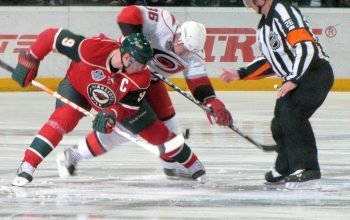
The result is a team that struggles to exit the defensive zone cleanly and spends more time chasing play. Faceoff efficiency drops, penalty killing suffers, and offensive zone time becomes harder to sustain. These are not minor issues. They directly affect scoring chances and shot quality against.
Minnesota has injuries as well, but none that fundamentally alter their identity. Their system remains intact, and their depth allows them to absorb losses without major disruption.
Minnesota’s Strength at Home
Minnesota’s home performance is one of the strongest indicators in this matchup. At home, they allow fewer high-danger chances and control pace more effectively. Their defense collapses quickly around the net, forcing opponents to take lower-quality shots from the outside.
Offensively, Minnesota is patient. They do not rely on rush scoring alone. They cycle well, wear down opposing defenders, and capitalize when coverage breaks down. Against a Florida team missing key defensive pieces, that approach is especially effective.
Special teams further separate these teams. Minnesota’s power play operates at 23.8 percent, well above Florida’s 18.1 percent. With Florida’s penalty kill weakened by injuries, this matchup favors Minnesota in situations that often decide close games.
Goaltending and Defensive Environment
Goaltending is rarely evaluated in isolation, and this game is a perfect example of why. Minnesota’s goaltenders benefit from a strong defensive environment that limits rebounds and slot chances. They see shots, but not the most dangerous ones.
Florida’s goaltending situation is far more difficult. With defensive injuries and reduced forward support, their goalie is facing more high-quality chances per game. That inflates goals against even when individual performance is solid.
This difference in defensive support often shows up late in games. Minnesota tends to protect leads well. Florida has struggled to do the same, especially when forced to chase.
Advanced Metrics Tell the Same Story
Advanced data reinforces what the surface numbers suggest. Without Barkov, Florida’s expected goals share drops noticeably. Their Corsi and Fenwick numbers fall below league average, indicating they are spending more time without the puck.
Minnesota, on the other hand, maintains positive possession metrics at home. They generate more shot attempts, suppress chances effectively, and keep play in the offensive zone for longer stretches. Their expected goals against is significantly lower at home than on the road.
PDO trends also favor Minnesota. Florida’s recent results have leaned on high shooting percentages that are difficult to sustain. That often signals regression, especially against a structured defensive team.
Why I’m Confident in the Wild Moneyline Prediction
Confidence in Minnesota is built on alignment. The team data, injury context, and model projections all point in the same direction. Minnesota has the healthier roster, stronger defensive profile, and better special teams unit.
Most importantly, their strengths directly target Florida’s weaknesses. Florida struggles without Barkov to control play down the middle. Minnesota excels at attacking that space. Florida’s defensive depth is thin. Minnesota applies sustained pressure that exposes tired defenders.
Multiple projection models independently arrive at similar conclusions. When different systems using different inputs agree, that consistency matters. This is not about one stat or one trend. It is about a complete picture that favors Minnesota in this specific spot.
Prediction Model Score Projections
Several respected models provide projected outcomes for this matchup. While exact numbers vary slightly, the direction remains consistent.
-
MoneyPuck: Minnesota 4.1, Florida 2.6
-
The Athletic’s Model: Minnesota 4.0, Florida 2.7
-
Sportlogiq: Minnesota 3.9, Florida 2.5
-
Natural Stat Trick: Minnesota 4.2, Florida 2.8
-
Evolving Hockey: Minnesota 4.0, Florida 2.6
Each of these models accounts for shot quality, expected goals, and recent performance. All five project Minnesota scoring around four goals while holding Florida under three.
Final Score Prediction
Taking everything into account, the most reasonable projected outcome is:
Minnesota Wild 4, Florida Panthers 2
This score reflects Minnesota’s ability to control pace, capitalize on special teams, and limit Florida’s offensive efficiency.
What to Watch for During the Game
Early shifts will matter. If Minnesota establishes zone time quickly, it will put immediate pressure on Florida’s depth defenders. Watch special teams closely, as power play opportunities could widen the gap.
Also pay attention to faceoffs and neutral-zone play. Minnesota’s edge there often leads to sustained pressure and scoring chances that add up over sixty minutes.
Final Thoughts
This matchup offers a clear storyline built on form, health, and structure. Florida is competitive but undermanned. Minnesota is steady, balanced, and playing to its strengths. The numbers, the models, and the on-ice matchups all align.
Fans should expect a physical, structured game where Minnesota controls the flow and gradually pulls away. It may not be flashy, but it should be efficient, disciplined, and decisive.
My pick: Wild moneyline -130 LOSE