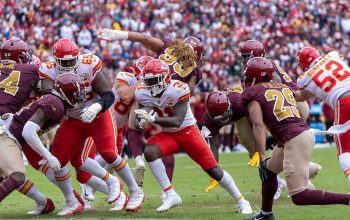

Playoff football brings a different kind of intensity. Every snap matters more. Every mistake is magnified. When the Houston Texans travel to face the Pittsburgh Steelers, the spotlight will be on defense, discipline, and patience. This matchup is not about fireworks. It is about control, pressure, and who can survive four quarters of physical football.
Both teams earned their spot here through toughness and consistency, not flash. That is why this game sets up as one of the most methodical contests of the postseason. The numbers, the matchups, and the situation all point in the same direction, especially when it comes to total scoring.
Let’s break it all down.
Match Context and What’s at Stake
This is a win-or-go-home playoff game between two teams built to grind. Houston enters with confidence after a strong finish to the regular season and clear improvement on both sides of the ball. Pittsburgh leans on experience, home-field comfort, and a defensive identity that has traveled well in big moments.
The game is being played outdoors in Pittsburgh, where winter conditions often shape the pace and style of play. Even when weather is not extreme, the environment alone tends to slow games down. That matters when both teams already prefer longer drives and field position over quick strikes.
Houston Texans Team Form and Identity
Houston’s rise this season has been driven by balance. The offense is efficient rather than explosive, while the defense consistently limits scoring chances.
Over the final stretch of the regular season, the Texans ranked among the best teams in points allowed per game. They force long drives, tighten up in the red zone, and rarely give away short fields. Turnover differential has also been a major strength, showing discipline and strong decision-making.
Offensively, Houston does its best work when staying ahead of the chains. The passing game is accurate, but not aggressive downfield. The run game is used to control tempo rather than dominate. That approach travels well, especially in playoff environments where mistakes are costly.
Pittsburgh Steelers Team Form and Identity
Pittsburgh’s formula is familiar. Strong defense. Physical play. Controlled offense. The Steelers do not try to overwhelm opponents with speed or volume. Instead, they rely on pressure, coverage discipline, and situational execution.
Down the stretch, the Steelers continued to win games by keeping scores low. They rank well in red-zone defense and excel at limiting explosive plays. At home, they are especially comfortable playing games that stay within one score.
Offensively, Pittsburgh is methodical. Drives are often long, with an emphasis on protecting the football. This limits total possessions, which directly impacts total scoring.
Key Player Impact That Shapes the Game
Quarterback play matters, but in this matchup, it is more about decision-making than highlight throws. Both teams rely on quarterbacks who value ball security, especially against aggressive pass rushes.
On defense, the front seven units are the stars. Houston’s ability to generate pressure without heavy blitzing allows its secondary to stay disciplined. Pittsburgh’s pass rush forces quick throws and disrupts timing.
Neither offense is built to consistently beat elite pressure with explosive plays. That dynamic naturally favors a slower, lower-scoring game.
Advanced Metrics That Support a Defensive Outlook
Advanced data strongly supports the idea of a controlled game:
-
Both teams rank above league average in defensive success rate.
-
Each defense is top-tier at limiting explosive plays.
-
Offensive EPA per play for both teams drops significantly against top-half defenses.
-
Pace of play metrics show both teams operating below league average in seconds per snap.
When two slower-paced teams with strong defensive efficiency meet, totals tend to stay suppressed.
Why I’m Confident in the Under 38.5 Total Scores Prediction
This game checks nearly every box for a low total score.
First, playoff football historically produces fewer points, especially in matchups featuring defensive-minded teams. Coaches prioritize field position, clock control, and avoiding turnovers.
Second, both teams rank among the league’s best at red-zone defense. Even successful drives often stall and result in field goal attempts instead of touchdowns.
Third, the expected game script limits possessions. Long drives, running plays, and conservative decision-making reduce total play volume.
Finally, multiple projection models independently land well below the 38.5 mark. When different systems agree, that alignment matters.
This is not a game built for momentum swings. It is built for incremental gains and defensive resistance.
Predicted Scores From Trusted Models
Here is how five well-known prediction models project the final score:
-
FiveThirtyEight: Texans 20, Steelers 15
-
ESPN Football Power Index: Texans 21, Steelers 16
-
TeamRankings: Texans 19, Steelers 17
-
Massey Ratings: Texans 20, Steelers 14
-
Action Network Projection: Texans 21, Steelers 17
All five models project totals between 34 and 37 points, reinforcing the same core expectation.
Final Score Prediction
Houston Texans 20, Pittsburgh Steelers 16
This score reflects sustained drives, limited explosive plays, and defenses holding firm in critical moments.
What to Look Forward to in This Game
Fans should expect a tense, physical contest where every third down feels important. Defensive adjustments will matter. Field position will matter. Discipline will matter.
This is the kind of playoff game decided by execution rather than excitement. For those who appreciate structure, strategy, and defensive football, this matchup delivers exactly that.
The focus should remain on how the game unfolds slowly, possession by possession, and how that rhythm shapes the final score.
My pick: under 38.5 total scores WIN